I had already been talking to my audience for some time before I became a published author. Through the Clever Girls Know podcast, my YouTube channel, speaking engagements, and the work I was doing with Clever Girl Finance, people were familiar with my voice and how I communicated. So when it came time to record the audiobook for my first book, narrating it myself felt like a natural extension of what I was already doing.
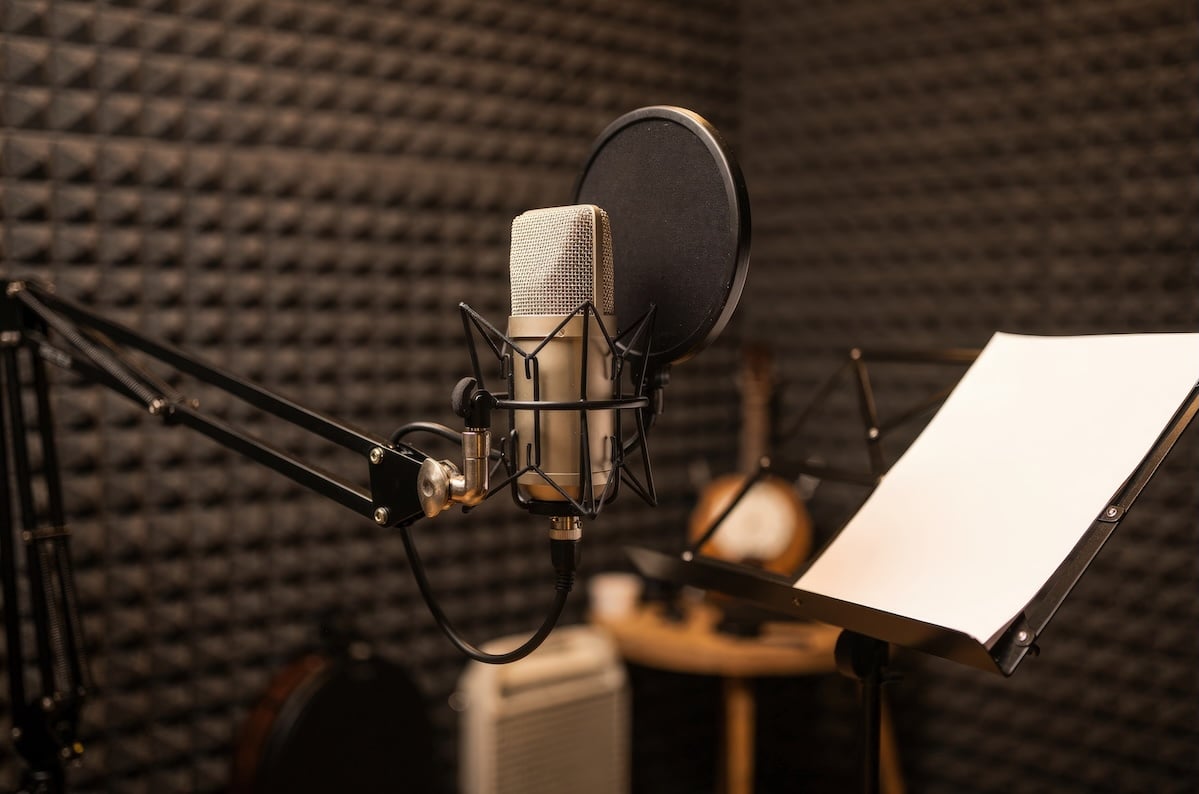
Table of contents
- My voice was already part of my brand
- Reading my books aloud gives me a different perspective on my own writing
- Narrating an audiobook is much harder than simply reading your book
- I’ve learned to be more patient with the process
- I actually enjoy how focused I have to be
- Why I wouldn’t have someone else narrate my books
- What narrating six audiobooks has taught me
Six books later, I’ve narrated every single one of my audiobooks, and despite how demanding the process can be, I still wouldn’t want someone else reading my books for me.
There is something very personal about getting to tell the stories and share the ideas I spent months writing in my own voice. And after recording six audiobooks, I’ve also learned quite a bit about my writing, my delivery, and myself in the process.
My voice was already part of my brand
By the time I wrote my first book, my audience didn’t only know me through written content.
They had heard me talk about money on my podcast and YouTube channel. They knew my personality, my tone, and the way I explained things.
That mattered to me when I thought about the audiobook.
If someone had listened to hours of my podcast or watched my videos and then decided to listen to one of my books, I wanted the experience to feel familiar. I wanted them to hear the ideas the way I intended them, including where I naturally place emphasis, where I pause, and how I tell the personal stories included in my books.
A professional narrator could certainly read the words beautifully, and probably with far more technical skill than I have. But they wouldn’t sound like me.
For my books, that distinction matters.
Reading my books aloud gives me a different perspective on my own writing
One of the interesting things about narrating your own audiobook is that you’re experiencing your writing in an entirely different format.
By the time I enter the recording studio, I’ve already read the manuscript countless times. I’ve written it, revised it, reviewed edits, and gone through proofs.
You would think there would be nothing left to notice.
And yet, when I start reading the finished book aloud, I still catch things.
Sometimes it’s a minor grammatical issue or a sentence that sounded perfectly fine on the page but feels slightly different when spoken. Reading aloud forces me to hear the rhythm of the writing rather than simply looking at the words.
It also gives me a small glimpse into what the audiobook listener is about to experience.
I’m hearing the book in the same format they will hear it. That makes me think differently about pacing, emphasis, and whether the message is coming across the way I intended.
It’s almost like meeting the book again, except this time I’m experiencing it as something meant to be listened to rather than read.
Narrating an audiobook is much harder than simply reading your book
I think it’s easy to assume that because you wrote the book, reading it aloud should be relatively straightforward.
It isn’t.
I’m not a trained voice actor or professional narrator, and audiobook recording is demanding on my voice. You’re talking for hours while trying to maintain a consistent tone, pace, energy level, and pronunciation.
And it takes a longgg time.
A sentence that takes a few seconds to read can take considerably longer when you stumble over a word, lose your place, pronounce something incorrectly, or simply don’t like the way you delivered it and need to start again.
There is also a level of concentration required that I didn’t fully appreciate before recording my first audiobook. After several hours, even simple words can suddenly become surprisingly difficult to say.
I’ve shared more about the practical side of this experience in My Experience Recording My Audiobooks In A Professional Studio: 8 Key Lessons I Learned, including how I prepare for recording days and what actually happens inside the studio.
Even after six audiobooks, the physical demands haven’t disappeared. I’ve simply become much better at knowing what to expect.
I’ve learned to be more patient with the process
One of the biggest changes I’ve noticed between recording my first audiobook and my sixth is my patience.
My pacing has improved over time, but so has my understanding that recording simply takes as long as it takes.
When I first started, I was much less familiar with how much stopping, correcting, repeating, and listening goes into producing a finished audiobook. Now I understand that those things aren’t interruptions to the process. They are the process.
I’m more comfortable taking my time, repeating a sentence when necessary, and trusting that the finished recording matters more than how quickly I get through the session.
I’ve also become more aware of my natural speaking pace. I’m not trying to race through the manuscript or sound like a professional voice actor. I’m trying to sound like myself while giving the listener a clear and enjoyable experience.
That has become easier with every book.
I actually enjoy how focused I have to be
For all the things that make audiobook recording exhausting, there is one part of the process I genuinely enjoy: the focus.
When I’m in the recording booth, there isn’t much else I can do.
I’m not checking my phone or answering emails. I’m not scrolling through social media or jumping between tasks.
It’s just me and the words I’ve written.
There is something almost refreshing about having that level of forced concentration, especially when so much of my normal workday involves switching between different responsibilities.
For those hours, my only job is to tell the story I’ve already written.
And although I am usually very ready for a break by the end of a recording session, I appreciate having that uninterrupted time with the book.
Why I wouldn’t have someone else narrate my books
After six audiobooks, I know that professional narration would probably make certain parts of the process easier.
Someone who is professionally trained would likely have stronger vocal endurance and technical skills. They would also take on hours of work that I wouldn’t have to do myself.
But I still wouldn’t choose that for my books.
My books are written in my voice, and I want the audiobook listener to experience them in that voice too.
This is especially important when I’m sharing personal stories. I know what I was feeling when something happened. I know where I want to pause, where something is meant to be funny, where I want the reader to pay closer attention, and where a story carries more emotion for me.
Those nuances are difficult to hand over to someone else because they’re connected to my own experiences.
For me, narrating the audiobook isn’t simply another task that happens after I finish writing. It feels like the final opportunity I get to tell the book myself before I hand it completely over to the reader or listener.
What narrating six audiobooks has taught me
I’m certainly not a professional audiobook narrator after recording six books, and I don’t pretend to be.
What I am is much more comfortable with my own process.
My pacing is better and I’m more patient when I make mistakes. I understand how demanding a recording day can be, and I know how to prepare myself for it.
I’ve also gained a new appreciation for how different listening to a book can be from reading one.
Writing allows me to choose the words. Narrating allows me to add another layer to how those words are experienced.
That’s why, even knowing how long the sessions can be and how tired my voice will probably feel afterward, I would still choose to narrate my own audiobook again.
For me, hearing my books in my own voice is part of completing them.